Shaanxi
City Overview
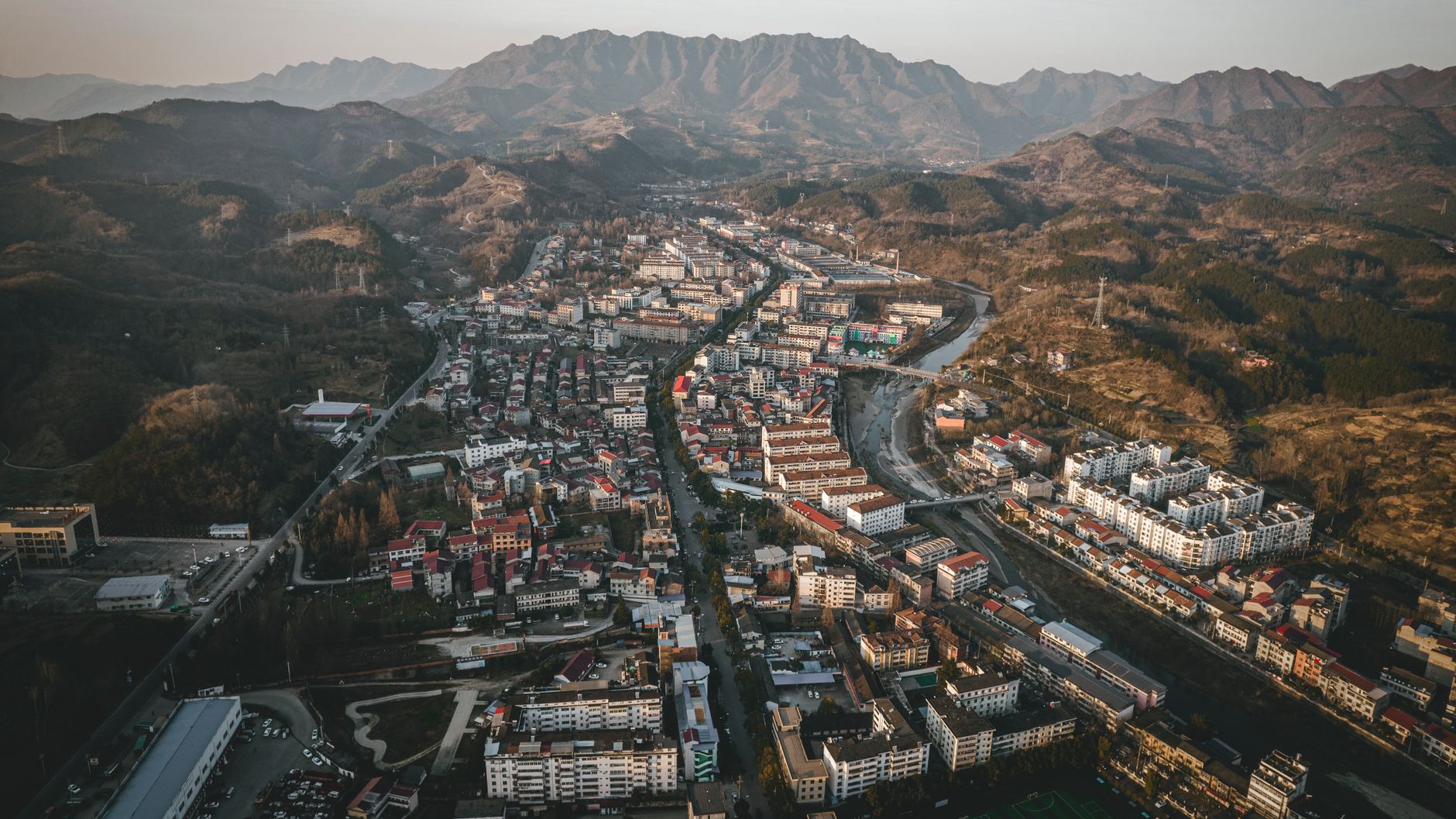
Shaanxi, abbreviated as “Shaan” or “Qin,” is a province deep in China’s interior, distinguished by millennia of history and a striking geographical identity. It straddles the watersheds of both the Yellow River and the Yangtze, facing Shanxi across the Yellow River to the east, bordering Henan and Hubei to the southeast, Chongqing and Sichuan to the south, Gansu and Ningxia to the west, and Inner Mongolia to the north. It sits like a great lock fastened at the very centre of China’s map. The province covers approximately 205,600 square kilometres and has a permanent population of about 39.5 million. Administratively, it comprises ten prefecture‑level cities and one national agricultural high‑tech demonstration zone. The capital, Xi’an, serves as the province’s political, economic, and cultural hub and is the core engine of Guanzhong Plain city cluster. In northern Shaanxi, Yulin has become a major growth pole thanks to its energy‑based economy, while in the south, Hanzhong unfolds a different picture of the Qinling‑Daba mountains through eco‑tourism and green industries.
Geographically, Shaanxi falls clearly into three north‑to‑south zones: the deeply gullied Loess Plateau in the north, the fertile Guanzhong Plain in the centre, and the lush, precipitous Qinling‑Daba mountain region in the south. The Qinling range runs east‑west across the province—not only the climatic divide between northern and southern China but also revered as the “dragon vein” of Chinese civilisation. The Wei River flows west‑to‑east through Guanzhong, nurturing some of China’s earliest agricultural societies, while the Han River meanders through southern Shaanxi and serves as the main water source for the central route of the South‑to‑North Water Diversion Project. The province’s nickname, “San Qin” (Three Qins), originates from the story of Xiang Yu dividing Guanzhong region among three surrendered Qin generals after the fall of the Qin dynasty. Over time, it evolved from a regional reference into an elegant name for the entire province—every character heavy with the near‑solidified weight of this land’s history.
Historical Thread
The history of Shaanxi is a condensed chronicle of the first half of Chinese civilisation. More than a million years ago, Lantian Man left traces at the northern foot of the Qinling mountains; the Neolithic Banpo site reveals the settlement patterns of a matriarchal Yangshao culture village. In the 11th century BCE, the Zhou people rose in the western Guanzhong—King Wen established Feng and King Wu built Hao—heralding Xi’an’s long reign as an imperial capital. The Qin people migrated eastward from Gansu, establishing their base at Yongcheng (present‑day Fengxiang, Baoji), then moving the capital to Liyang and later to Xianyang. In 221 BCE, King Ying Zheng of Qin, having “built upon the achievements of six generations,” unified China. With standardised chariot gauges and script, the first centralised empire in Chinese history was born on the banks of the Wei River.
The Han dynasty inherited the Qin system and made Chang’an its capital. From here, Zhang Qian set out westward bearing the imperial credentials, opening the Silk Road and turning Chang’an into a beacon of civilisation for the Eastern world, echoing Rome and Parthia in the distant West. The Sui dynasty constructed Daxing City, and Tang‑era Chang’an pushed urban scale to its extreme—covering 84 square kilometres with a population of over one million, and Zhuque Avenue spanning 150 metres in width, making it the most magnificent metropolis in the world at the time. After the An Lushan Rebellion, as the political centre shifted east and the economic centre moved south, Shaanxi gradually transitioned from imperial core to northwestern frontier, though its military and transport importance never waned. In the second year of the Hongwu reign of the Ming (1369), Xu Da captured Fengyuan Route and redesignated it Xi’an Prefecture, and built the city wall on the foundations of the Sui‑Tang imperial city—a wall that survives to this day.
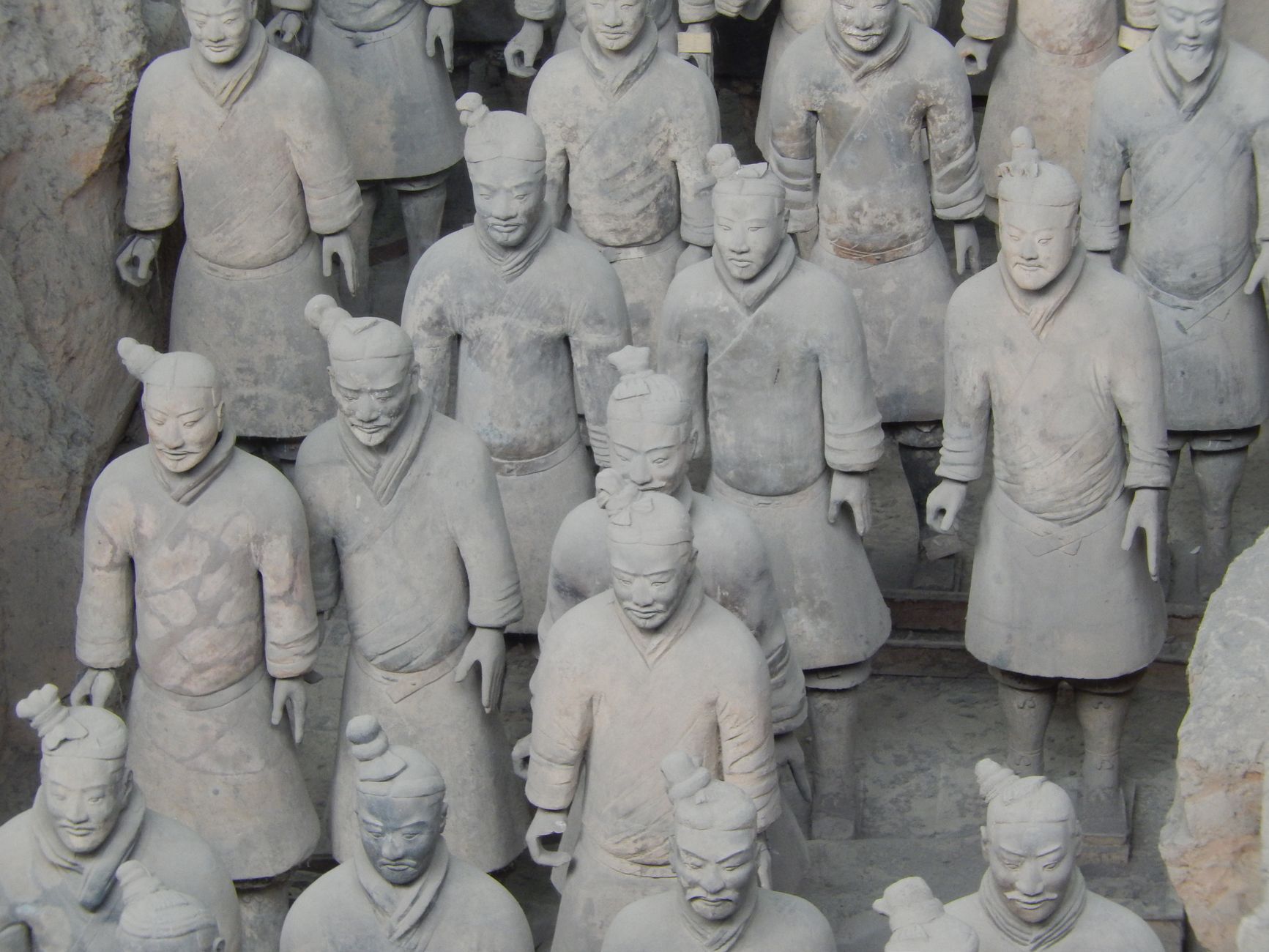
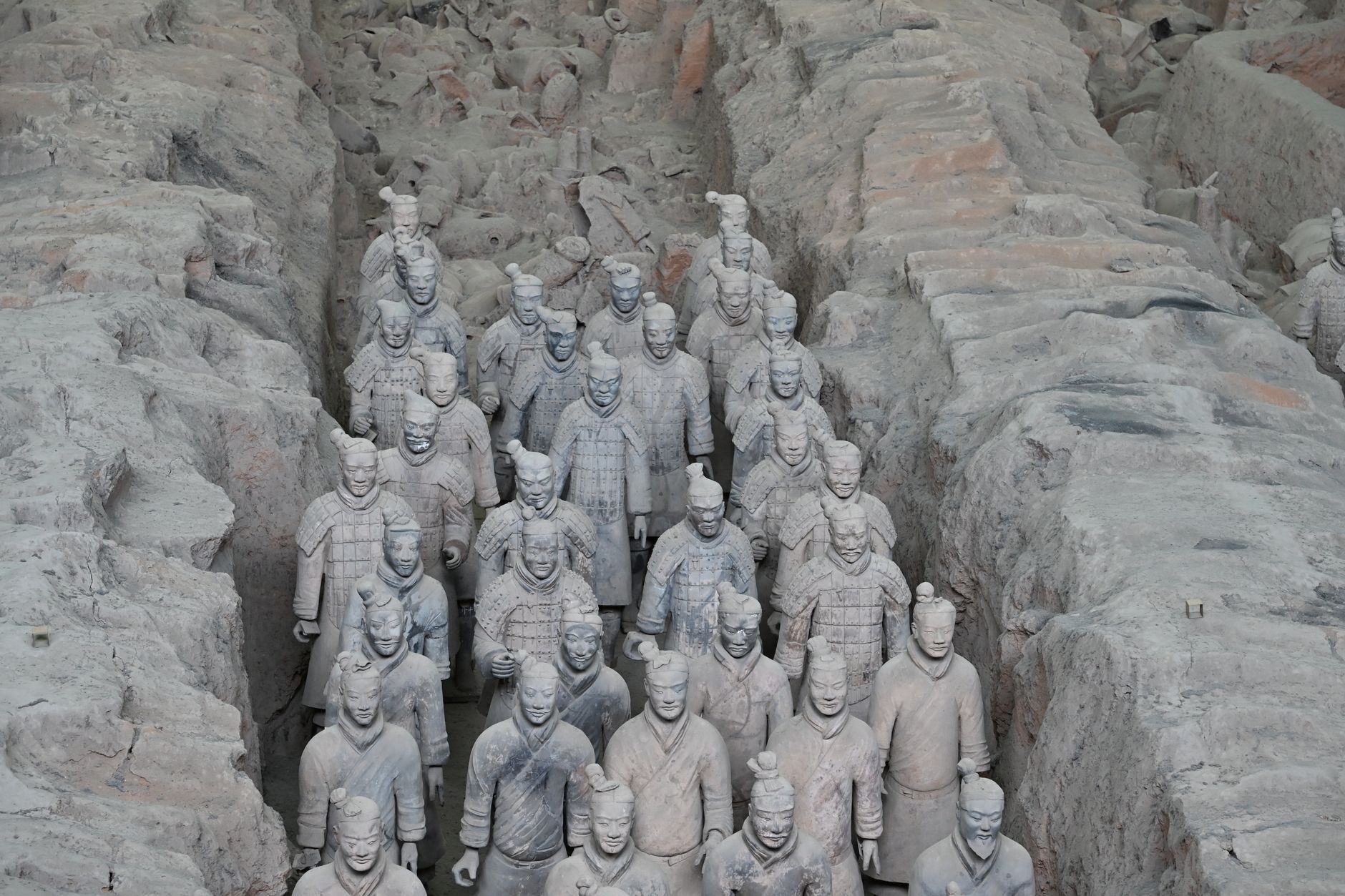
In the 1930s, Yan’an in northern Shaanxi became the seat of the CPC Central Committee. Thirteen eventful years made Yan’an’s Pagoda Hill a symbol of the Chinese revolution. Historical remnants blanket the province: the Terracotta Army of Qin Shi Huang’s mausoleum astounded the world; the Weiyang Palace ruins of Han Chang’an and the Daming Palace ruins of Tang recount imperial ambition; the Giant Wild Goose Pagoda and the Small Wild Goose Pagoda stand in quiet guardianship of the ancient capital’s afterglow; and Yan’an’s Yangjialing and Zaoyuan are etched with revolutionary memory.
Cultural Heritage

Shaanxi’s cultural landscape, like its terrain, shows marked regional variation yet resonates with a shared rugged boldness. In terms of dialect, the Guanzhong area speaks the Guanzhong sub‑group of Central Plains Mandarin—its tones hard and crisp, called “Qin Voice” by the ancients and considered a living fossil of Old Chinese phonology. Northern Shaanxi belongs to the Jin dialect group, with heavy nasals and abundant reduplication, carrying the desolate tone of the loess plateau. Southern Shaanxi incorporates Southwestern Mandarin, with a lighter, more humid flavour reminiscent of Sichuan.
Folk traditions are even more colourful: every lunar New Year’s month, Guanzhong communities stage shehuo processions with stilt walkers, pole acrobats, and bamboo‑horse dances. In the north, the Ansai waist drum raises clouds of yellow dust and is hailed as “the finest drum under heaven.” In the south, Han Diao Guangguang (a local opera genre) and flower‑drum opera echo through waterfront docks. Ritually, the annual Qingming public ceremony honouring the Yellow Emperor has continued for millennia—a spiritual gathering for Chinese people worldwide, now inscribed on the national intangible cultural heritage list.
In the arts, Shaanxi’s depth has spawned numerous treasures. Qinqiang (Qin opera) is one of China’s oldest theatrical forms; its singing thunders like a storm, impassioned and soaring, and is listed in the first batch of national intangible heritage. Its special effects—such as fire‑spitting and qiao stilt technique—leave audiences amazed. The UNESCO‑recognised Huazhou (formerly Huaxian) shadow puppetry carves sheng, dan, jing, and chou roles out of oxhide; between light and shadow, the desolate singing evokes the lingering charm of Han and Tang. Additionally, Fengxiang clay sculpture is known for tiger‑face plaques and zodiac clay horses, with bold red‑and‑green colours and vigorous lines. Ansai paper‑cutting, with a single pair of scissors, conjures on red paper the full imagination of northern Shaanxi women. Huxian peasant paintings burst with intense colour and the fragrance of the earth. The northern Shaanxi folk song genre Xintianyou, especially the song “The East Is Red,” spread from the loess plateau across all of China.
Architecture and Urban Landscape
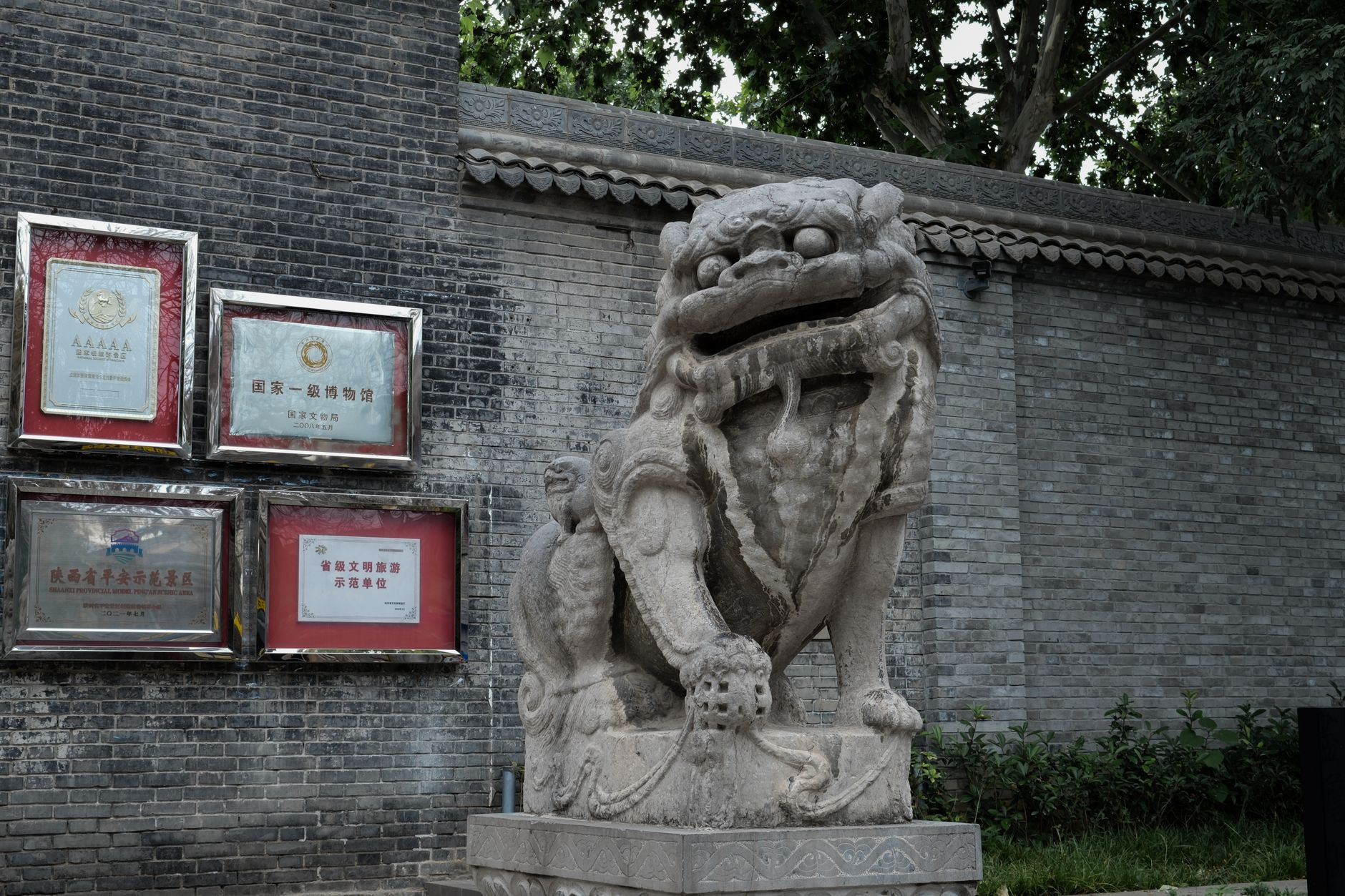
Shaanxi’s architectural landscape is a scroll unfurled from the depths of history to the edge of modernity, blending the grandeur of palaces, the simplicity of folk dwellings, and the raw texture of industry. Traditional houses vary with terrain: Guanzhong courtyard homes are narrow and deep, with single‑pitched roofs sloping inward to achieve a “four waters returning to the hall” layout, and exquisitely carved woodwork. In northern Shaanxi, cave dwellings (yaodong) are cut directly into the loess or built of brick and stone as hillside caves or sunken courtyards—warm in winter and cool in summer, representing the most direct symbiosis of human and earth. Villages like Nianpan in Yanchuan County still preserve clusters of cave dwellings. In the south, influenced by the Qinling‑Daba mountains and Sichuan culture, rammed‑earth houses with slate roofs and overhanging gable frames are common, light and airy.
In the ancient urban fabric, Xi’an preserves the most complete Ming‑era city wall in China. Its 13.74‑kilometre circuit encloses a regular grid of streets, with the Bell Tower at the centre and four great avenues radiating outward. At dawn or dusk, residents cycling atop the wall feel the quiet pulse of the ancient capital. Notable districts include the Muslim Quarter, a maze of blue‑brick alleys filled with smoke, it is a landmark for experiencing northwestern street life and halal cuisine. Shuyuanmen, extending from the former Guanzhong Academy, is lined with rubbings, antiques, and calligraphy shops. In modern times, Xi’an’s “Dahua 1935” transformed an old textile mill into a cultural arts park, its sawtooth‑roofed workshops and steel frames bearing witness to Republican‑era industry. In northern Shaanxi, the revolutionary site complex of Pagoda Hill and Qingliang Mountain in Yan’an—cave dwellings arrayed up the slope—emanates a plain and resolute power.
These landscapes are not isolated; they are woven together by the flow of the Wei River, the ridges of loess, and the clouds of the Qinling‑Daba mountains, jointly composing Shaanxi’s distinctive “terrain and cultural vein.”
Culinary Culture

Shaanxi cuisine does not compete with the Eight Great Culinary Traditions in name, yet it leaves an indelible mark on every diner’s palate. Shaanxi cooking emphasises hearty flavours—salty, savoury, spicy, and sour—and can be clearly divided into three regional styles: Guanzhong love of wheat-based foods and sour-spicy flavors, northern Shaanxi’s braised lamb and coarse grains, and the south’s Sichuan‑leaning smoked meats and jiangshui vegetables (a local dish made with fermented sour broth).
Wheat-based foods are the gene embedded in every Shaanxi native. The most celebrated is Yangrou Paomo (pita bread soaked in mutton stew): the diner tears a flatbread called tuotuo mo into pea‑sized pieces, then the chef simmers them in lamb broth, serving the bowl with chilli paste and sweet pickled garlic—the broth thick, the bread chewy, and the aftertaste lingering. The Northern Song poet Su Dongpo praised it with the line: “Of Long delicacies there is bear jerky; of Qin cooking, only the mutton stew.” Lazhirou Jiamo, the “Chinese hamburger,” stuffs chopped slow‑braised pork cooked in master stock into a crisp‑then‑soft Baiji bun, rich but not greasy—the most ubiquitous street food in Xi’an. Liangpi (cold noodles) comes in several regional varieties: Qinzhen rice noodles, Baoji rolled wheat noodles, and Qishan steamed wheat sheets. In summer heat, a spoonful of chilli oil poured over chilled noodles instantly dispels the heat. Then there is biangbiang mian—a noodle whose name is written with a character so complex it cannot be typed on any standard input method. These noodles are as wide as a belt, hand‑pulled to a satisfying chew, and doused in sizzling oil that releases a burst of garlic and chilli aroma—a bold expression of the Qin temperament.
Beyond noodles, northern Shaanxi’s iron‑pot braised lamb, seasoned only with wild thyme and red onion, is tender and free of gaminess. Huang momo, steamed from fermented broomcorn millet flour, became a symbol of the loess plateau in the documentary A Bite of China. In the south, vegetable tofu and Hanzhong hot rice noodles convey the gentle warmth of a north‑south transition zone. Shaanxi people eat noodles with raw garlic and chilli oil, and a local saying goes: “A bowl of noodles, a head of garlic—not even the Emperor could tempt me away.” This hearty, uninhibited way of eating faithfully reflects the Shaanxi character: forthright, stubborn, and generous.
Modern Development
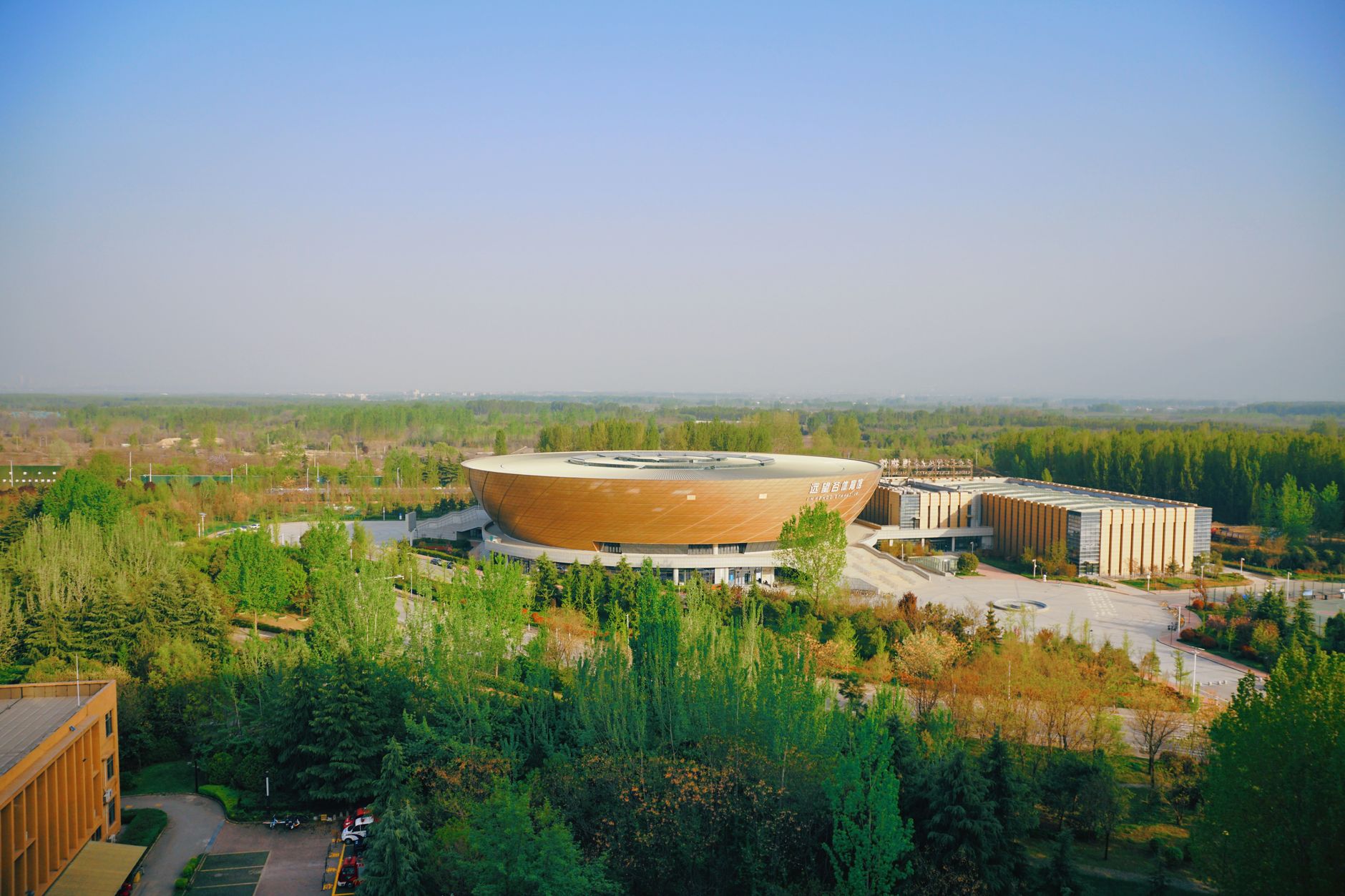
In modern times, Shaanxi did not experience the violent impact of treaty‑port opening as coastal provinces did; its modernisation was driven more by railways and wartime imperatives. In 1934, the Longhai Railway reached Xi’an, tightening economic ties between Guanzhong and the eastern coast, and cotton textiles and machine manufacturing began to emerge. What truly transformed Shaanxi’s industrial landscape was the “Third Front Construction” after the founding of the People’s Republic: large numbers of defence, aerospace, electronics, and machinery industries were sited along the Qinling and in Guanzhong, and Xi’an, Baoji, and Hanzhong rapidly rose as heavy industrial bases. To this day, launch vehicle engines and major aviation components are still manufactured in Shaanxi.
After reform and opening‑up, Shaanxi leveraged its dense concentration of scientific and educational resources—Xi’an Jiaotong University, Northwestern Polytechnical University, Xidian University, and dozens of others—to develop high‑tech industries. The Xi’an High‑Tech Industries Development Zone rose from the ground, becoming a western stronghold of science and innovation, while the Yangling Agricultural High‑Tech Demonstration Zone evolved from a small town into a “silicon valley” for arid‑ and semi‑arid‑region modern agriculture. In energy, proven coal reserves in Yulin, northern Shaanxi, account for one‑fifth of the national total, with natural gas and petroleum reserves equally impressive; a national energy and chemical industry base has been built there. Southern Shaanxi is designated as a restricted‑development zone, focusing on ecological conservation and green circular economy.
Today, Shaanxi’s economic landscape shows a clear “one belt, two zones” division: Guanzhong Plain city cluster, anchored by advanced manufacturing, electronic information, and cultural tourism, serves as the engine of provincial development; the north, centred on energy and chemicals, is extending into high‑end polyolefins and coal‑based specialty fuels; the south steadfastly guards the ecological red line of water‑source conservation for the South‑to‑North Water Diversion, prioritising selenium‑rich foods, biomedicine, and region‑wide tourism. As the ninth national centre city, Xi’an is extending westward to build an inland highland of openness for the Belt and Road Initiative; the China‑Europe freight train “Chang’an” departs from the Xi’an International Trade and Logistics Park, running directly to Central Asia and Europe—the millennium‑old camel bells of the Silk Road transformed into steel rails on a new Silk Road.
Transportation and Travel

Shaanxi is a vital transport hub in the national network, bridging east and west and connecting north and south. This centrality is woven into every strand of the province’s transport grid. In railways, the Longhai line runs east‑west through Guanzhong, the century‑old artery of China’s east‑west corridor; the Baoji‑Chengdu line crosses the Qinling, famous for the Guanyin Mountain spiral, and was China’s first electrified railway; the Xi’an‑Ankang line tunnels through mountains to reach southern Shaanxi; the Xi’an‑Yan’an line connects to the north. In the high‑speed rail era, routes to Zhengzhou, Chengdu, Yinchuan, and Baoji‑Lanzhou have opened one after another, forming a “rice‑character‑shaped” (米字型) high‑speed rail network centred on Xi’an: east to Zhengzhou connects to the Beijing‑Shanghai corridor; west to Lanzhou links the Land Bridge channel; south via Chengdu accesses the Chengdu‑Chongqing circle; north via Yan’an and Yulin extends toward Baotou.
The expressway network, structured as “two rings with six radials,” combines ring roads with mountain tunnels to turn the Qinling‑Daba barrier into a thoroughfare. The Qinling Zhongnanshan highway tunnel, with a single bore length of 18.02 kilometres, is the longest of its kind in Asia. Air routes centre on Xi’an Xianyang International Airport, with international flights connecting to Central Asia, Europe, and Southeast Asia, and passenger throughput ranking among the nation’s top. Regional airports in Yulin, Yan’an, Hanzhong, and Ankang weave a denser provincial air corridor—visitors can even take a general‑aviation flight to overlook Hukou Waterfall and the loess highlands from above.
Unique travel experiences go further: the Yellow River Scenic Road winds 828 kilometres from Qiangtou Township in Fugu in the north to the foot of Mount Hua in the south, stringing together the Yellow River Serpentine National Geopark and Qiankun Bay—a paradise for road‑trippers. Cycling the 13.7‑kilometre Xi’an city wall offers a sweeping view of ancient streets and the modern skyline. To truly feel the barrier of the Qinling, take the old green‑carriage train on the Baoji‑Chengdu line, slowly climbing from Guanzhong to Qinling Station, watching the vegetation shift from broadleaf to conifer as if crossing between northern and southern China.
Travel Tips
Best Seasons to Visit: Spring (late March to May) brings warming temperatures, wheat jointing in Guanzhong, a million mu (approximately 66,667 hectares) of rapeseed blossoms in Hanzhong, and wildflowers budding in Qinling valleys—the finest natural scenery. Autumn (September to October) offers crisp, dry weather, perfect for climbing Mount Hua or walking the old city, with Yan’an apples and southern Shaanxi chestnuts at their peak. Summer is hot, but the northern plateau stays pleasantly cool for escaping the heat; winter is cold, but offers the tranquillity of exploring the Shaanxi History Museum in peace or eating doufunao (tofu pudding) in Yuanjiacun village as snow falls.
Must‑See Attractions and Experiences:
Emperor Qinshihuang’s Mausoleum and the Terracotta Army Museum: The “Eighth Wonder of the World”—facing more than six hundred life‑sized, individually distinct warrior figures is an awe without equal. Hire a professional guide or rent an audio tour.
Xi’an City Wall Cycling: Enter at the South Gate (Yongningmen), rent a bicycle, and ride a full circuit on the ancient bricks. At dusk, watch lanterns flicker on against a skyline where ancient and modern interlace.
Yan’an Red Tourism: Visit the Yangjialing and Zaoyuan revolutionary sites and the Yan’an Revolutionary Memorial Hall; touch the pivotal nodes of modern Chinese history within humble cave dwellings. At night, watch the Pagoda Hill light show.
Mount Hua Summit: Mount Hua (the Western Sacred Mountain), renowned as “the most perilous mountain under heaven,” tests courage on the Plank Walk in the Sky and the Kite Flip. Take the West Peak cable car up, hike down via North Peak, and savour the sheer cliffs of granite peak forests.
Shaanxi History Museum: With a collection of 1.71 million items, from Shang‑ and Zhou‑dynasty bronzes to Tang tomb murals, it is a walk‑through general history of ancient China. Reserve free tickets via official channels at least three days in advance.
Practical Tips: Most urban Xi’an attractions are accessible by metro, but the Terracotta Army, Mount Hua, and Hukou Waterfall require driving or joining a day tour. When dining in the Muslim Quarter, respect Muslim customs and do not bring outside food in. Scenic spots in southern and northern Shaanxi are dispersed—local car rental or chartered vehicles are recommended. Mountain areas have large temperature swings between morning and evening, so bring a windproof jacket.
Notes: During national holidays, the Terracotta Army and Mount Hua are extremely crowded—book tickets and cable car passes well in advance. The sun is strong and the air dry in northern Shaanxi—skincare and hydration are essential. Parts of the Qinling have no mobile signal—hike with companions and carry offline maps. If you find Yangrou Paomo too rich, pair it with pickled garlic and Bingfeng soda—the time‑honoured combination favoured by every Shaanxi native.